Thursday's Digest from Dark Bulls: 57,000 Jobs. 110-Degree July 4th. The Fed's New Math.

Thursday · July 2, 2026 · Dark Bulls
June came in well below expectations on hiring. A dangerous heat wave is heading straight for your holiday weekend. And the Federal Reserve, under its new chair, is no longer talking about cuts — it's talking about hikes. Here's what's actually going on.
MONEY & MARKETS
June added only 57,000 jobs. Wall Street expected 115,000. The unemployment rate fell anyway — to 4.2%.
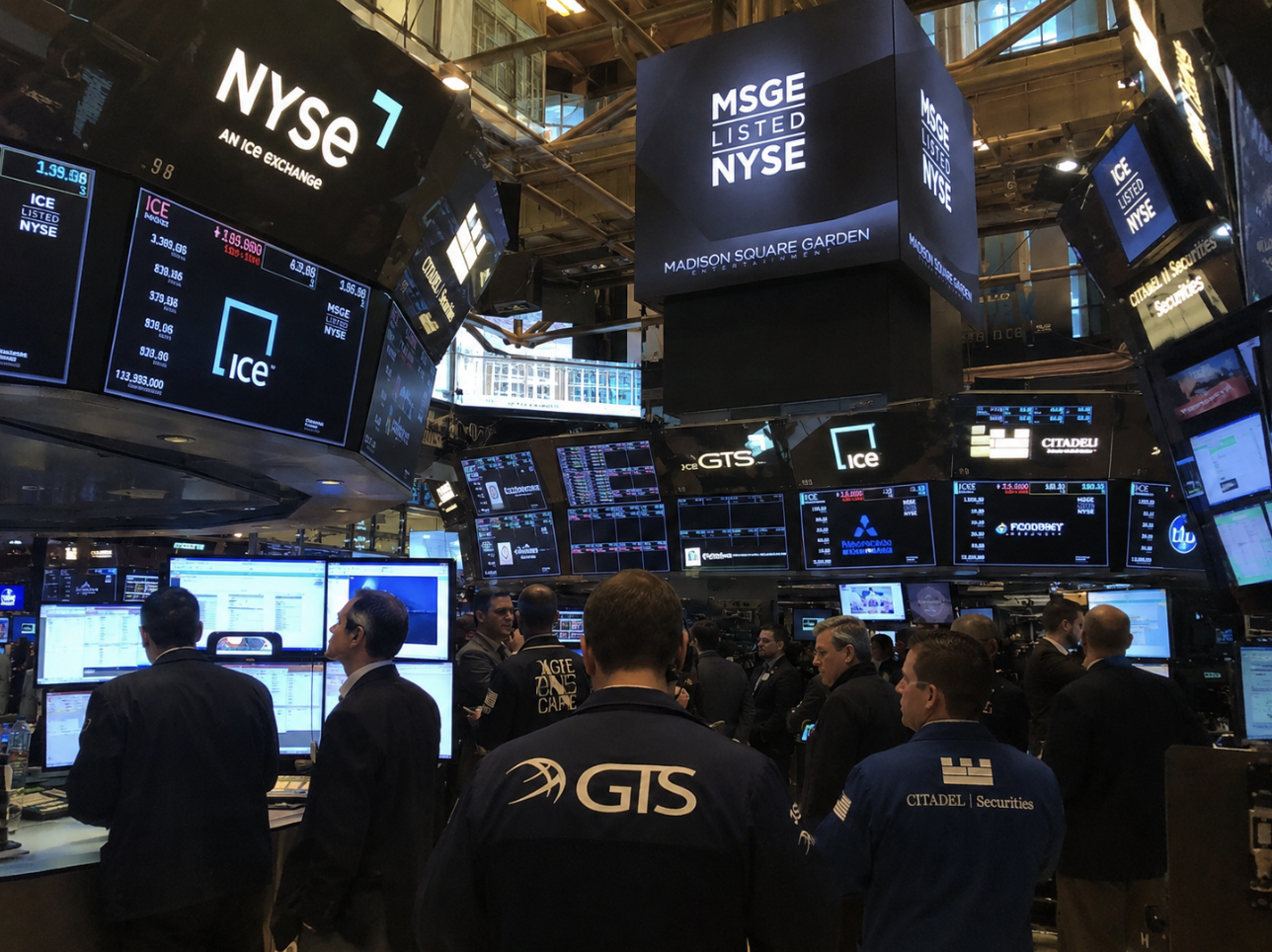
This morning's jobs report was the headline number everyone will argue about heading into the holiday weekend. The economy added just 57,000 nonfarm payroll jobs in June — roughly half what economists had expected, and a sharp drop from May's 172,000. The miss is significant. For context: three months of job gains averaging 188,000 had convinced many analysts that the labor market was finally healing after a brutal 2025. This print puts a question mark on that narrative.
But here's the wrinkle: the unemployment rate actually fell to 4.2%, beating the forecast of 4.3%. That divergence — fewer new jobs, lower unemployment — happens when people leave the labor force. Fewer people looking for work means the unemployment rate drops even if hiring slows. It is not the kind of improvement that feels like progress.
What it means for your money: markets moved up on the news, paradoxically. A weak jobs report reduces the likelihood of a Fed rate hike in September, which traders read as good news for stocks in the short term. The S&P 500 gained 0.4% by mid-morning. Treasury yields fell. If you hold bonds, this was a good morning.
The Fed has a new chair and a new posture. Kevin Warsh is not Jerome Powell.
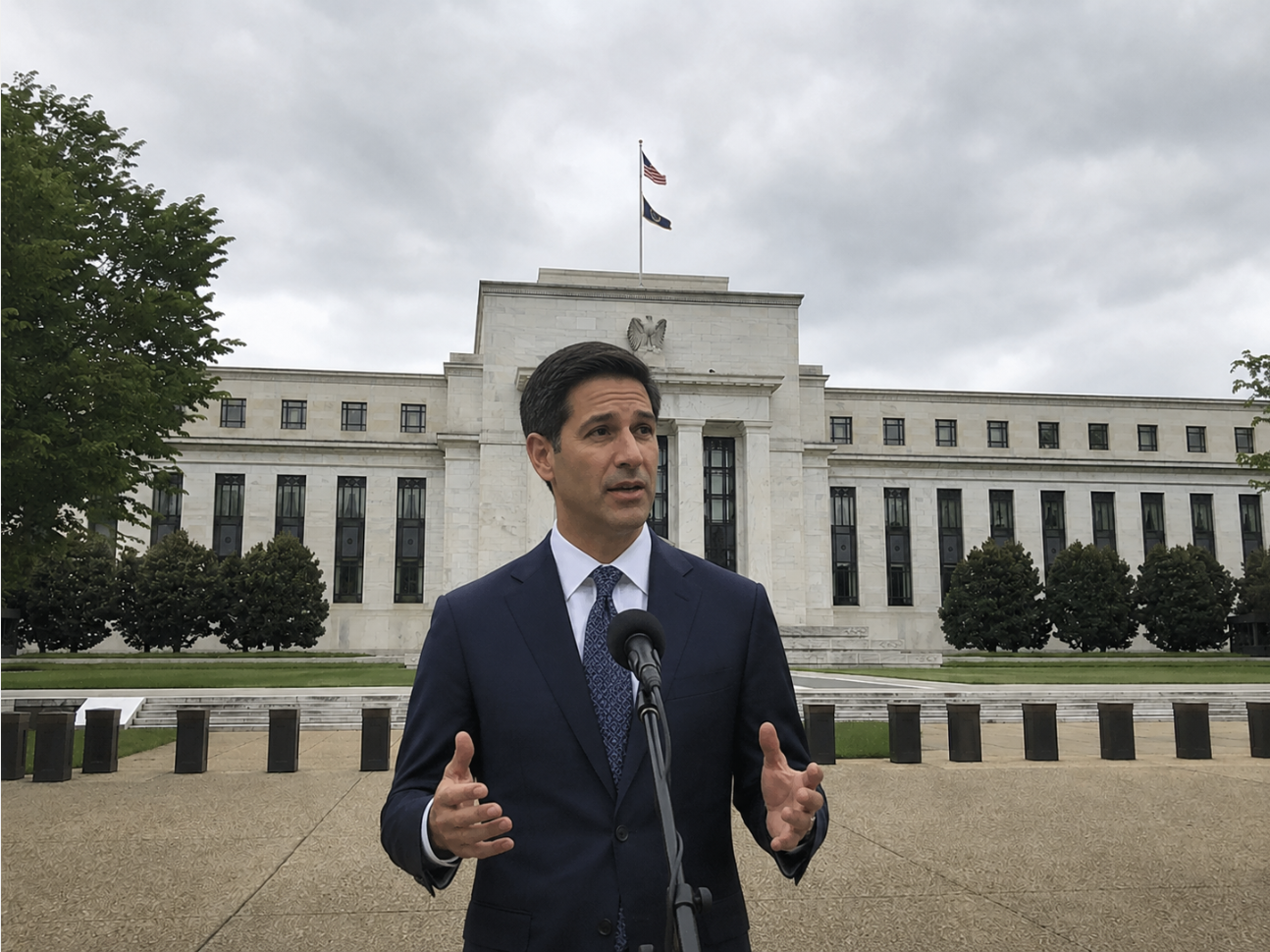
The subtext of today's jobs report is bigger than one month's numbers. Since Kevin Warsh took over as Federal Reserve chair, the central bank has stopped talking about rate cuts and started talking about hikes. Core inflation is running at 3.4% annually — the highest since late 2023 — fueled in large part by the energy shock from the Iran conflict. Warsh has signaled that a September rate hike is on the table if inflation doesn't cool.
For anyone carrying a variable-rate mortgage, a home equity line, or credit card debt: the era of rate cuts you may have been waiting for has been pushed back considerably. The Fed does not currently see inflation returning to its 2% target before 2028. If you've been holding off on refinancing or locking in a fixed rate, that calculation is worth revisiting with your bank or financial advisor before fall.
SCIENCE & WORLD
A heat dome is sitting on top of the eastern two-thirds of the country. It is not moving before July 4th.
165 million Americans are under some form of heat warning or advisory heading into this weekend. Washington D.C. is forecast to hit 104 degrees Thursday and 105 Friday — just below its all-time record. New York City could see consecutive 100-degree days for the first time since 2011. Philadelphia could hit 105. Boston — not a city known for this — is forecast to top 100 Thursday and 104 Friday.
The more dangerous issue is the overnight temperatures. In Philadelphia, Baltimore, New York, and D.C., lows may struggle to drop below 80 degrees. That matters because the human body recovers from heat stress overnight. When it can't, each day of heat compounds on the last. This is the mechanism behind most heat-related deaths — not a single afternoon, but a body that never got to cool down.
If you're 60 or older, or managing blood pressure, heart disease, kidney issues, or diabetes: these conditions affect your body's ability to regulate heat. So do diuretics, beta-blockers, and several common blood pressure medications. Don't assume you'll feel the warning signs in time. Hydrate before you feel thirsty. If you're attending any outdoor event this weekend — America 250 on the Mall, a World Cup watch party, fireworks — plan your exit before you need it. The U.S. Department of Energy has declared an energy emergency, directing grid operators to prevent blackouts as electricity demand approaches record levels.
SPORTS
The US is into the World Cup Round of 16. England is too. The draw matters.
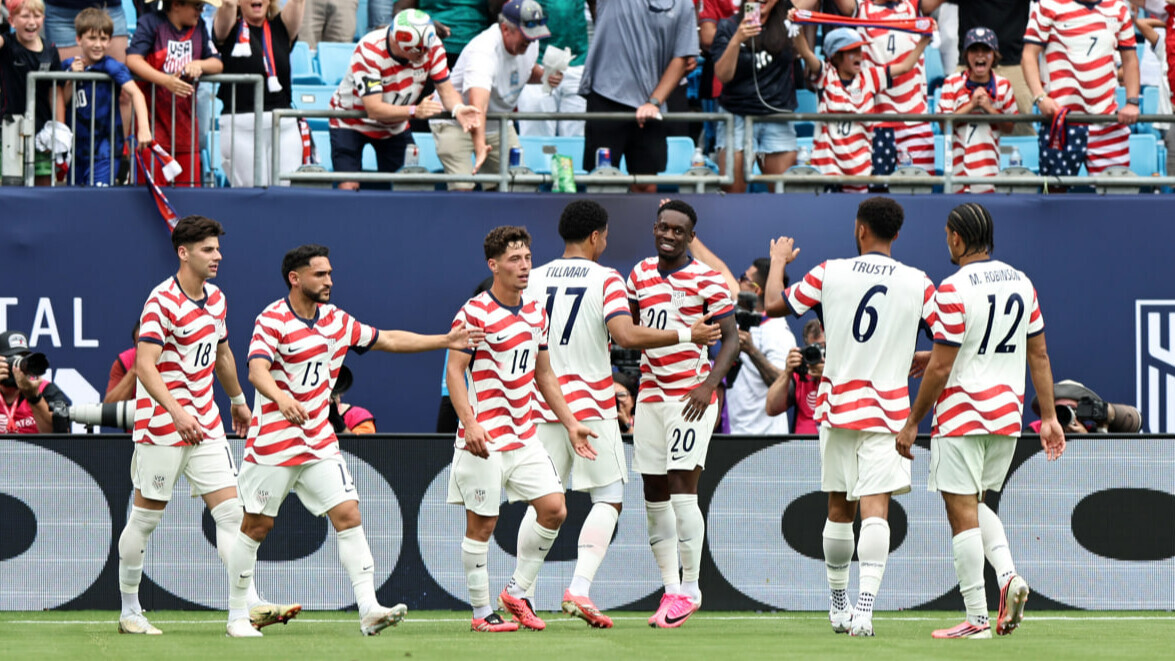
The US beat Bosnia-Herzegovina 2-0 in Santa Clara to advance — the Americans' first win over a European opponent since 2021, and their first World Cup knockout appearance since 2002 is now within reach. England also moved through, beating Congo. The Round of 16 draw will determine whether these two meet early. If the US draws England, it will be the most-watched soccer match in American television history.
The World Cup Final is July 19 at MetLife Stadium in New Jersey. America 250 and the tournament are happening at the same time, in the same summer, in the same country. That is not a coincidence. It is the most concentrated stretch of national attention sports has seen in decades.
HEALTH & LIFE · 50+
Your July 4th survival guide — seriously.
You don't need a lecture. You've been through hot summers. But this one is different in ways worth knowing:
The heat index — what it actually feels like with humidity — is forecast to exceed 110 degrees in parts of New Jersey, Maryland, and Virginia on Thursday and Friday. At 110 degrees heat index, outdoor conditions become dangerous for healthy adults within an hour of exposure, not just for people with health conditions.
A few things that matter more than you might think: alcohol dehydrates you faster than the heat does, and it impairs your body's ability to sense how hot you are. If you're drinking at a cookout, match every drink with a glass of water. Wear loose, light-colored clothing. Know where the nearest cooling center is — New York City has over 500 open through the weekend.
If you're hosting older relatives or neighbors: check on them Friday. Heat-related illness in older adults can progress quickly and look like confusion or fatigue before it looks like a medical emergency.
POLITICS · THE SHORT VERSION
Iran talks are happening in Qatar. The Hormuz ceasefire is technically holding. "Technically" is doing a lot of work in that sentence.
U.S. and Iranian officials are holding indirect, low-level talks in Doha, according to a source familiar with the discussions. The Strait of Hormuz ceasefire remains nominally in effect, but Iranian drone activity in the southern shipping corridor has continued. The $6 billion in frozen Iranian assets is beginning to move, with Tehran's deputy foreign minister confirming part of the funds will go toward food and medicine.
The practical effect for Americans: oil prices have come off their war-shock highs but remain elevated. Energy costs are the primary reason inflation is running above 3%. What happens in Qatar over the next two weeks will do more to determine your gas prices and your grocery bill this fall than anything else in the news right now.
ONE MORE THING: A NOTE FROM DAVID
You may have noticed the name at the top is different.
After a few years as Dark Pool Bulls, I'm simplifying — we're now Dark Bulls. Same analysis, same voice, same commitment to telling you what's actually happening in markets, politics, and the world. Just a cleaner name that fits what this publication has always been about.
We're also moving to a proper home. Dark Bulls now a full publication, not just a newsletter in your inbox. Every issue goes up on the site. You can share it, bookmark it, read it on your own time.
Nothing changes for you. You're already on the list. But if someone in your life would find this useful — forward it. The more people who read this, the better the conversation gets.
Thanks for being here.
David