September jobs report missed by two thirds and the odds of a rate hike just collapsed

The Daily Digest
Dark Bulls
Monday · October 5, 2026
September produced just 29,000 new jobs — a third of what economists expected. Iran rejected the U.S. counteroffer and demanded control of Hormuz. The White House held a Camp David war council. The bombers left RAF Fairford. And the FTC opened an AI safety investigation targeting OpenAI and Anthropic.
Monday, October 5. The week opens with the weakest jobs report since the war began — 29,000 new jobs against a forecast of 84-90,000 — which immediately collapsed the odds of a Fed rate hike in October. Iran rejected the counteroffer and is demanding control over the Strait of Hormuz. The president said the war ends "the easy way or the hard way." And the FTC is now investigating the companies building AI. Here is everything that matters heading into the final four weeks before the midterms.
Advertisement
The economic plan is already reshaping the conversation around retirement.
Your FREE 2026 Wealth Protection Guide is still available — but this may be the last reminder you get.
Inside: tax- and penalty-free transfer options, physical gold, and ways to reduce exposure to Wall Street volatility.
Just enter your details to get your free guide.

Your FREE 2026 Wealth Protection Guide is still available — but this may be the last reminder you get.
Inside: tax- and penalty-free transfer options, physical gold, and ways to reduce exposure to Wall Street volatility.
Just enter your details to get your free guide.
In Focus

The economy added just 29,000 jobs in September — less than a third of what economists expected — and the odds of a Fed rate hike in October collapsed from 70% to 14% in a single morning.
October 5, 2026 · Economy / Labor
The Bureau of Labor Statistics reported Friday that the U.S. economy added just 29,000 nonfarm payroll jobs in September — far below the consensus forecast of 84,000 to 90,000 and the weakest monthly print since the Iran war began in February. The unemployment rate rose from 4.1% to 4.2%. Revisions made the picture worse: July and August figures were revised downward by a combined 60,000 jobs. The three-month average is now running well below 100,000 — a pace that historically signals a meaningful slowdown rather than a healthy labor market.
The market reaction was immediate and clear. The probability of a Federal Reserve rate hike at the October 27-28 meeting fell from roughly 70% to approximately 14% within hours of the release, according to Kalshi prediction markets — with about 85% now pricing a pause. The Nasdaq rose 1.19% Friday and the Dow gained 0.49% as bond yields fell on the reduced rate expectations. The 10-year Treasury yield, which had been threatening to break above 5.30%, pulled back toward 5.23%. For Americans carrying variable-rate debt — credit cards, home equity lines, adjustable-rate mortgages — a Fed pause in October is genuinely meaningful. It means those rates do not go higher next month.
"
September payrolls came in at just 29,000 — well below expectations of 84,000 to 90,000. The unemployment rate rose to 4.2%. Prior months were revised down by a combined 60,000 jobs.
— Bureau of Labor Statistics, October 2, 2026
Advertisement
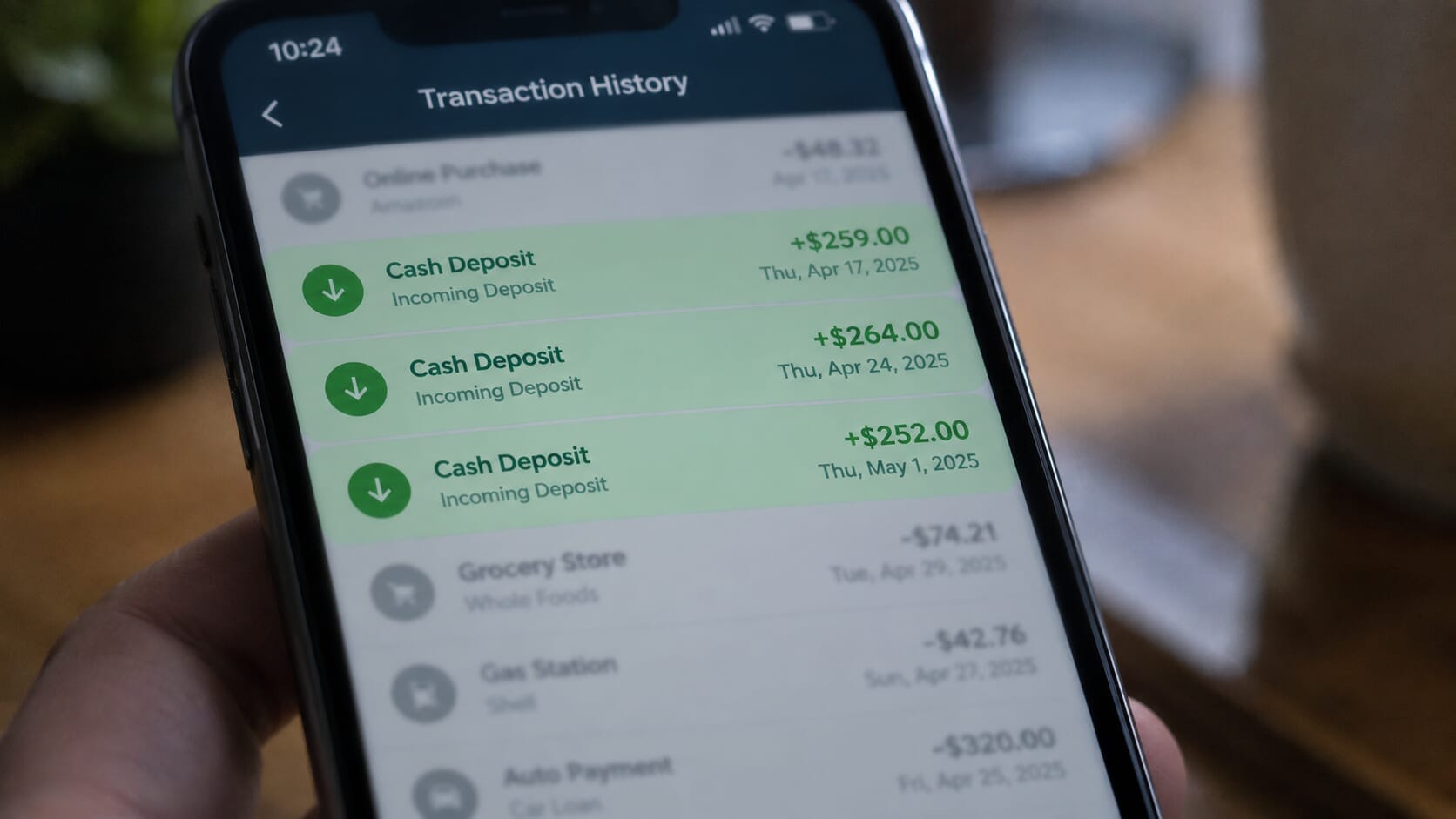 Look closely at the dates on those deposits. They arrive exactly seven days apart. Always on a Thursday.
While the mainstream media begs everyday Americans to pour their life savings into overpriced AI tech stocks, a small group of insiders is doing something completely different. They aren't buying shares of Nvidia or Palantir and praying the market doesn't crash.
Instead, they are quietly exploiting a bizarre new market anomaly. This hidden mechanism is literally forcing the trillion-dollar AI boom to spit out hard cash — directly into regular bank accounts every single week.
You don't need a Wall Street broker to set this up, and it has absolutely nothing to do with traditional dividend investing. The financial elite desperately want to keep this quiet.
Click here to see the leaked footage of how this Thursday payout strategy actually works.
The nuance in the report matters. The unemployment rate rose not because people lost jobs en masse but partly because more people entered the labor force — a distinction economists call "participation-driven unemployment," which is generally less alarming than layoff-driven unemployment. The leisure and hospitality sector, healthcare, and government all showed modest gains. The drag came primarily from manufacturing — down sharply, partly attributable to supply chain disruptions from the Iran war — and from construction, which has been squeezed by elevated mortgage rates keeping new home demand soft.
For the midterm calculus, the timing is significant. A weak jobs number 29 days before Election Day reinforces the economic anxiety that has been driving the president's approval to second-term lows. The NBC/Telemundo poll released Sunday found Latino support for the president's economic management at nearly -50 points — a group whose 2024 shift toward Republicans was central to the party's victory. A 29,000-job September does not help those numbers. The Fed's response — likely a pause in October — may provide some relief on variable-rate debt, but it cannot undo seven months of war-era inflation at the pump and the grocery store.
Today's Digest
Advertisement
Trump messed up on stage once again.
 His staff was embarrassed and covered their faces… This time his mental faculties failed him again.
What did he do exactly? Trump slipped up and named the day the government will dump the US dollar — and bring in the new digital dollar system that gives them full control over YOUR money.
Get All The Details HERE >>>
His staff was embarrassed and covered their faces… This time his mental faculties failed him again.What did he do exactly? Trump slipped up and named the day the government will dump the US dollar — and bring in the new digital dollar system that gives them full control over YOUR money.
Get All The Details HERE >>>
— David
Dark Bulls
Published Monday–Friday